Easy and simple energy renovation ideas reduce energy costs
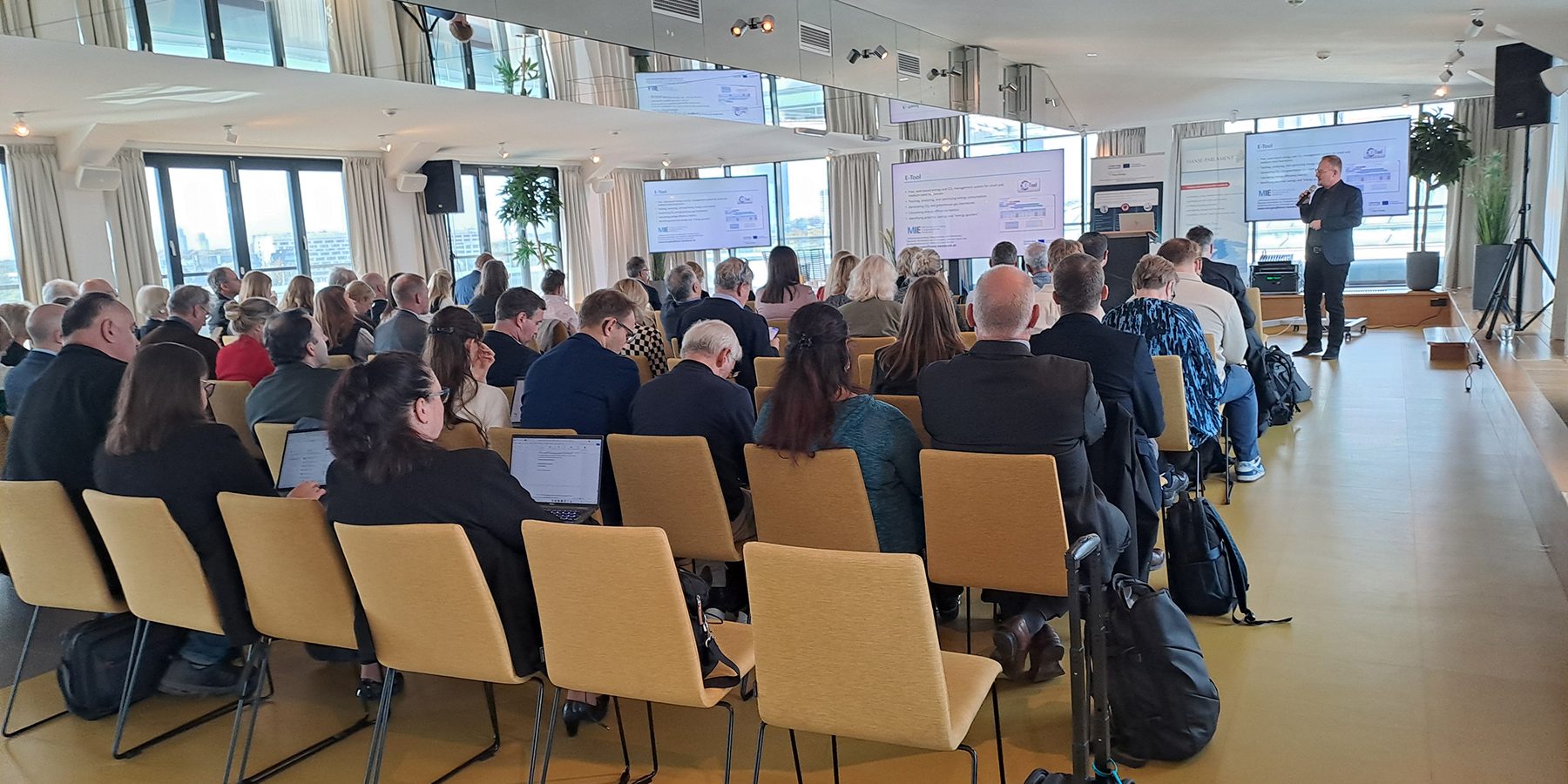
The project Easy Energy is coming to an end. The finalizing workshop and conference in which the results and outcomes of the project were presented were held in Riga 28th and 29th September 2026 (Figure 1). During the project, the cost-effective and easy-to-implement solutions for energy saving were collected, implemented, and tested. As a result of this work, a blueprint (interreg-baltic.eu), i.e., a collection of found best practices was created and published by German project partner Zebau. This collection was then translated to other project partner’s languages: Finnish, Danish, Estonian, Latvian. Lithuanian and Polish. Totally there were 12 partners and 12 associated partners from 7 countries involved in the project.
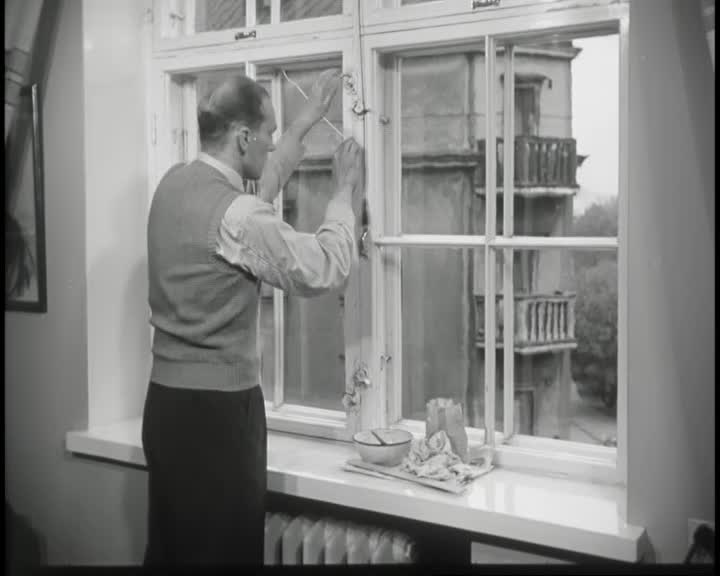
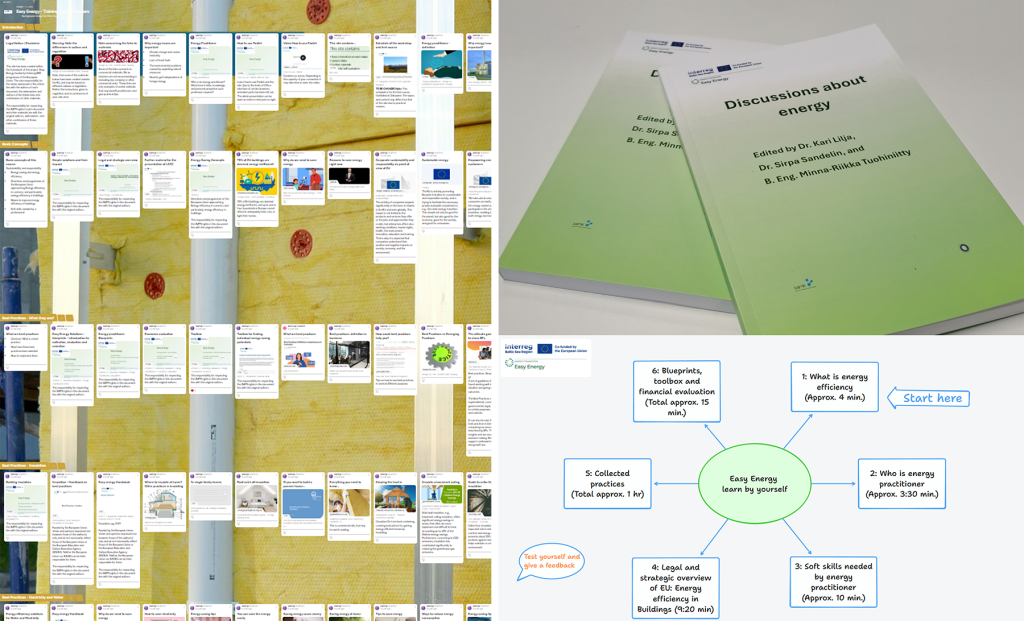
Due to variating regulation in all participating countries, all the solutions are not usable in every country, but the ideas must be applied and localized to meet the requirements of each county. Probably the most extreme the situation was in Finland, where almost every one of the solutions were either forbidden, already in use for decades (Figure 2) or not allowed to be implemented without permission or correct qualification. Due to this, SAMK, who was the Finnish partner, was not able to test the implementation of solutions, but contributed the project by creating two on-line courses for practitioners and by publishing a book, where the Finnish energy solutions were presented and explained (Figure 3). The book is available both as on-line (theseus.fi) and printed version.
Partners in other countries implemented and tested more than 200 variations of solutions presented in the blueprint. Among the tested applications there were for example changing the old faucets to more energy-friendly ones, changing the old light bulbs to LED-lights, automating the lightning, insulating different parts of the building, and increasing or changing the insulation material of the building. The savings that were gained in the tests were according to implementation reports rather remarkable.
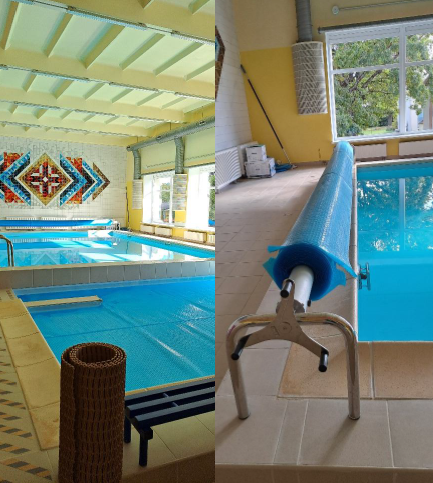
The day before the final conference we had an opportunity to visit two energy renovation sites in Adazi Municipal close to Riga: A kindergarten, that was just renovated, and a secondary school (former primary school) that was renovated a couple of years ago. In the kindergarten, the biggest percentual savings were gained by covering the swimming pools (Figure 4): Energy consumption was 70 per cent smaller compared to situation before covering. Concerning the secondary school, no comparable records concerning the reached savings were available, because in addition to energy renovation, there was also built a totally new part of the building. The energy renovation included, e.g., controls for lighting, cameras, temperature, and air conditioning, as well as CO2 monitoring in each classroom.
Project Easy Energy
The project Easy Energy, that is co-funded by the Interreg Baltic Sea Region Programme, guides municipalities and SMEs to reduce energy consumption in existing buildings using simple, cost-effective measures like insulation and smart thermostats. Project, that started in November 2023 and ends in October 2026, connects partners across Germany, Lithuania, Latvia, Estonia, Poland, Finland, and Denmark. The project aims to equip local authorities and energy practitioners with practical tools and skills to implement low-tech energy saving solutions, ultimately contributing to European REPowerEU goals. As a part of this work project Easy Energy has produced a series of blueprints and a training programme.
Disclaimer
This blog text has been written within the framework of project Easy Energy co-funded by the Interreg Baltic Sea Region programme of the European Union. Views and opinions expressed are however those of the author(s) only and do not necessarily reflect those of the European Union or the European Education and Culture Executive Agency (EACEA). Neither the European Union nor EACEA can be held responsible for them.