Expert Insight: Bioeconomy as a Catalyst for Skills, Jobs, and Regional Growth
Bioeconomy is gaining global importance, shaping a more sustainable and circular future by transforming the way we use natural resources. Anastasija Dmitrijeva, researcher working in BioBusiness Catalyst, talks how bioeconomy creates new opportunities for jobs and regional growth, and why aligning education with real industry needs is essential for building a future-ready workforce.
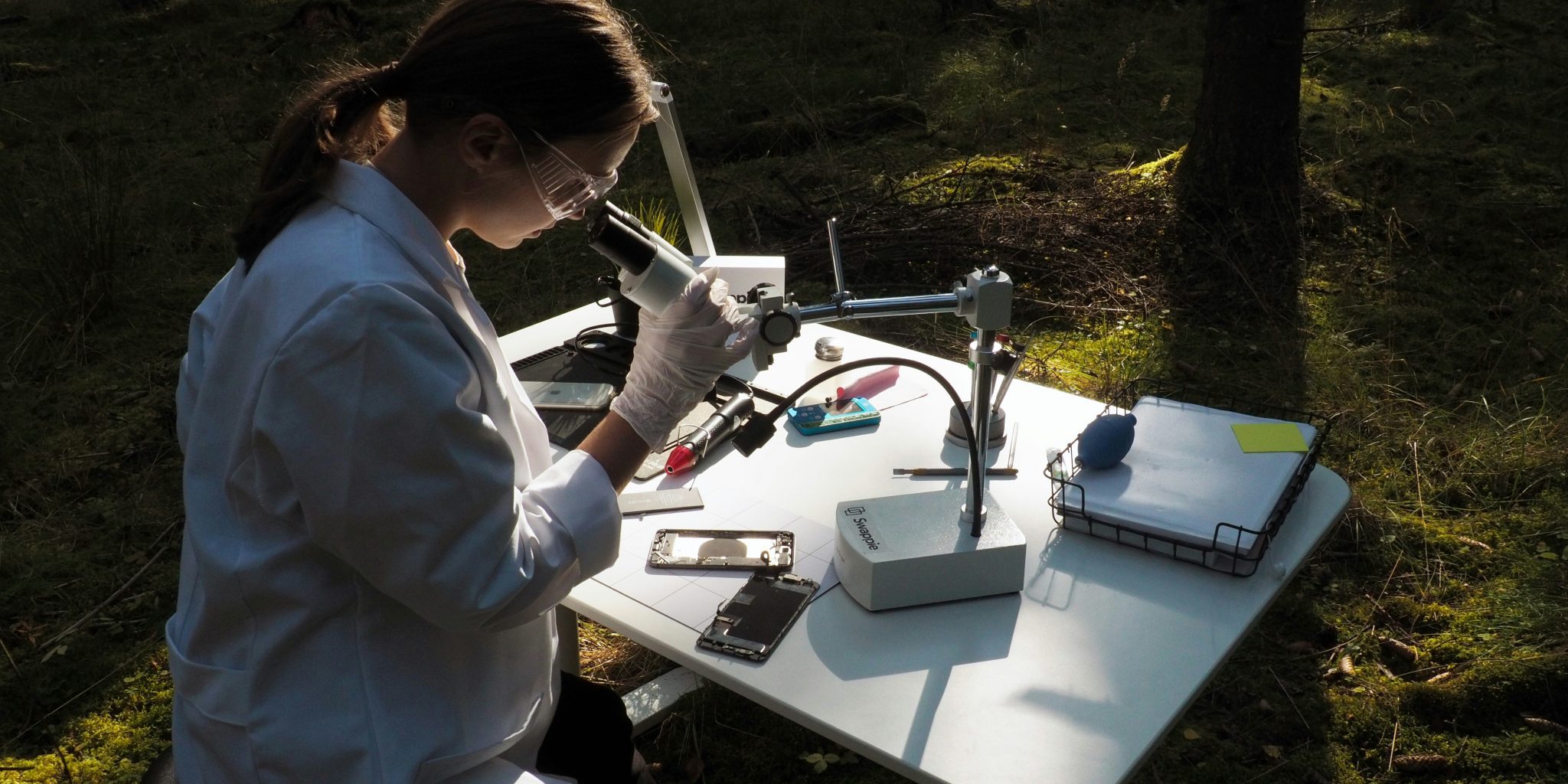
BioBusiness Catalyst project, coordinated by SAMK, supports the transition to a sustainable bioeconomy by developing innovative vocational education and digital tools, strengthening the capacities of VET institutions in Europe and Sub-Saharan Africa. Project helps people learn the skills needed for future green jobs by creating practical training and easy-to-use digital learning tools. It brings together schools, businesses, and experts to make education more relevant, accessible, and connected to real opportunities in the growing sustainable economy.
Bioeconomy is an economic system based on the sustainable use of renewable biological resources to produce food, materials, and energy. Rather than relying on fossil resources, it focuses on using natural resources more efficiently and responsibly while transforming how we produce and consume. By combining sustainability, circularity, and innovation, the bioeconomy reduces waste, creates value from by-products, and supports the regeneration of ecosystems.
In BioBusiness Catalyst, Dmitrijeva provides bioeconomy expertise, focusing primarily on research and analysis ensuring that the project is grounded in real, evidence-based insights.
– I am mainly involved in analyzing the current state of the bioeconomy and vocational education in Finland, with a particular emphasis on identifying skills needs, labor market demands, and existing training practices. This includes mapping how bioeconomy is currently integrated into education and training, identifying gaps between industry needs and available competencies, Dmitrijeva explains.
Strengthening regional economies without compromising the environment
Bioeconomy is becoming increasingly important because it offers a practical pathway to address some of the most pressing global challenges while also creating new economic opportunities.
– From a sustainability perspective, it supports the transition away from fossil-based systems toward renewable, biological resources. This helps reduce greenhouse gas emissions, mitigate climate change, and decrease environmental degradation. Bioeconomy also promotes more efficient use of resources and it also plays a key role in addressing resource scarcity.
Aside from the environmental benefits, bioeconomy creates significant economic and social opportunities; opening new markets for bio-based products, supporting entrepreneurship (especially in developing and rural regions) and driving innovation across sectors like agriculture, biotechnology, and manufacturing.
Rural areas are often rich in biological resources like agricultural residues, organic waste. These resources can be used more efficiently to create new products and services. This allows communities to move beyond raw material production and generate higher value locally. New business opportunities can emerge in areas like bio-based materials, renewable energy, and sustainable food systems. Small-scale production and decentralized solutions are especially relevant in rural contexts. This can support local entrepreneurship and reduce dependence on external markets.
Many bioeconomy activities are location-based, which means they create employment opportunities close to where people live. This can help reduce migration to urban areas and support regional stability. At the same time, bioeconomy can strengthen local resilience
– Job creation is a key benefit. By using local resources in a sustainable way, communities become less dependent on imports and more adaptable to economic and environmental changes. Bioeconomy is a very strategic opportunity to build a more innovative, competitive, and inclusive economy for the future, Dmitrijeva sums up.
Skills for future workforce
The transition towards a more sustainable economy is changing the types of skills that are needed in the labor market, creating a demand for a workforce that understands sustainable resource use and can apply it in practice.
– New roles are emerging across different sectors like agriculture, manufacturing, energy, waste management. At the same time, existing jobs are also evolving, which means that reskilling and upskilling are becoming increasingly important, Dmitrijeva explains.
Dmitrijeva thinks that one of the weaknesses at the moment is a gap between the skills required in the bioeconomy sector and what is currently taught in many education systems. Vocational education and training (VET) plays a key role in addressing this gap because it focuses on practical, job-oriented skills. Many bioeconomy jobs require hands-on competencies, such as processing biological materials, managing resources efficiently, and applying circular solutions. Without integrating bioeconomy into VET, industries may struggle to find qualified workers, slowing down innovation and limiting the growth of sustainable sectors.
– Another way to ensure future workforce is to make bioeconomy education more accessible to everyone, Dmitrijeva says.
Dmitrijeva also adds, that digital learning platforms can play an important role by allowing people to access training regardless of their location. It is also important to design programs that are inclusive and relevant to different target groups, including rural communities, young people, and individuals with fewer opportunities. Partnerships between educational institutions, industry, and public organizations can help expand access.
Cost and availability are also key factors. Providing affordable or free training opportunities can lower barriers to participation.
“Future opportunities will increasingly favor those who can combine sustainability thinking with practical skills.”
What advice would Dmitrijeva give to students interested in bioeconomy careers?
– My main advice would be to stay open to interdisciplinary learning and focus on developing practical, applicable skills. The bioeconomy combines science, technology and business, so having both theoretical understanding and hands-on experience is very important.
Students should also pay attention to how the field is evolving and where skills gaps currently exist. In many cases, the challenge is not a lack of opportunities, but a lack of relevant training that prepares people for real bioeconomy jobs. This is exactly what the Biobusiness Catalyst project is addressing - by identifying these gaps and developing a Bio-Based Product Technician curriculum that responds to the actual needs of the labor market.
– I think that future opportunities will increasingly favor those who can combine sustainability thinking with practical implementation skills. So, my recommendation is: focus on gaining hands-on experience, stay informed about emerging training opportunities, and align your skills with real-world needs in the bioeconomy sector, Dmitrijeva sums up.
Contact information:
Nasibeh Hedayati,
project manager
nasibeh.hedayati@samk.fi
The BioBusiness Catalyst project is coordinated by Satakunta University of Applied Sciences (SAMK) and implemented with partners in Croatia, Ghana, Botswana, Tanzania, and Ethiopia:
- Pannonia – Croatia
- University of Education, Winneba (UEW)- Ghana
- Practicum Institute - Botswana
- Apex Agribusiness Academy (APEX) - Tanzania
- AFRICOM Technologies – Ethiopia
BioBusiness Catalyst is implemented under Erasmus+ Capacity Building in the field of VET funding.